THE CITIZEN BLOG
THE CITIZEN BLOG
Atlanta Way day community presenters: United Way, Metro RESA & International Community School
In DeKalb County, International Community School (ICS) serves over 500 students whose families represent 60+ nationalities speaking 31 languages. In 2025, ICS adopted a Community School Model — transforming itself from a traditional school into a neighborhood anchor that weaves together academics, wraparound support, and community resources. This transformation is powered by a three-way collaboration among United Way of Greater Atlanta, Metro RESA (Regional Education Service Agency), and ICS itself.
Community School Model: United Way, Metro RESA & International Community School
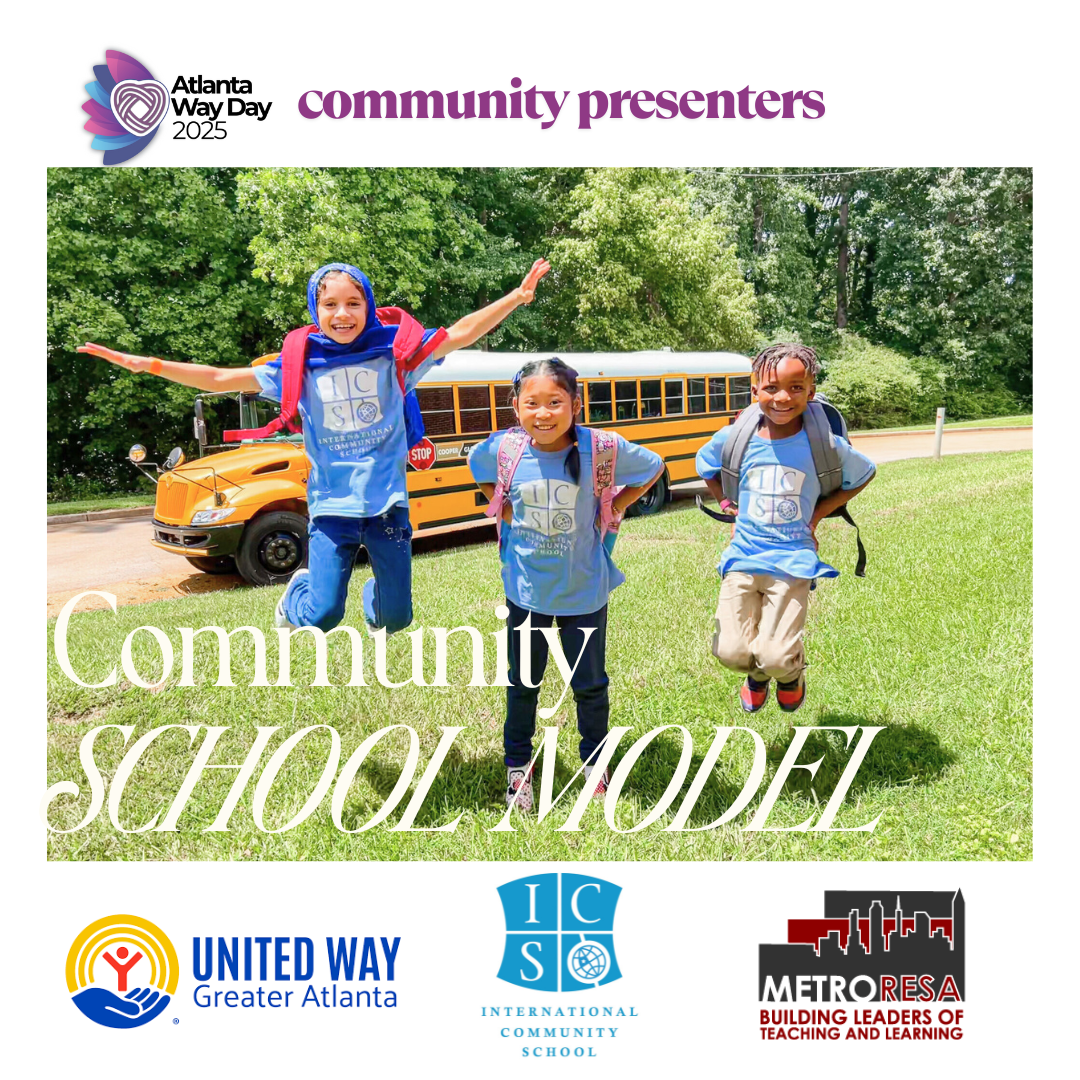
In DeKalb County, International Community School (ICS) serves over 500 students whose families represent 60+ nationalities speaking 31 languages. In 2025, ICS adopted a Community School Model — transforming itself from a traditional school into a neighborhood anchor that weaves together academics, wraparound support, and community resources. This transformation is powered by a three-way collaboration among United Way of Greater Atlanta, Metro RESA (Regional Education Service Agency), and ICS itself.
The approach pushes past the “school walls only” model. Students come into a supportive ecosystem where academic enrichment sits alongside family services, social support, health and behavioral resources, and links to community partners, all coordinated under a unified vision. In their presentation, they described how ICS has long been a microcosm of multicultural promise and challenge. In 2025, they became the first elementary school in Metro Atlanta to launch a formal Community School Model: integrating academic excellence with wraparound services, family supports, and proactive community partnerships.
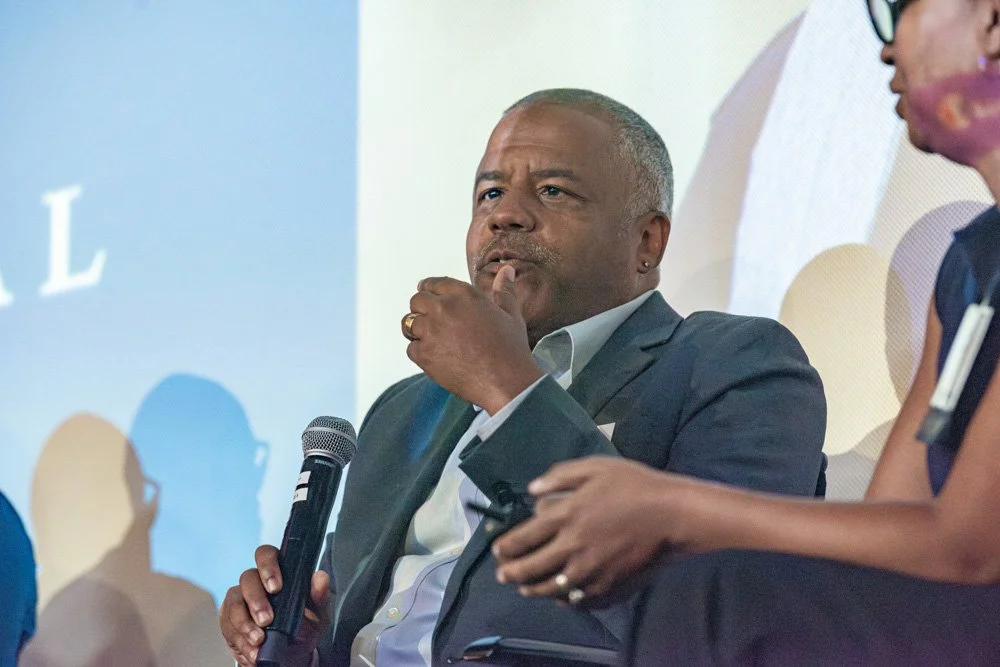
Through this model students with unmet health or attendance challenges are being connected to childcare, counseling, ESL supports, legal assistance, and after-school programming. Families accessed resource navigators onsite, and community organizations offered classes, workshops, and connection hubs in school facilities. It’s reframed the school as a neighborhood anchor, not just a classroom.
The group also highlighted their metrics for success: improved attendance, reductions in chronic absenteeism, greater family engagement, and stronger academic resilience among multilingual and refugee learners. Their roadmap includes deepening partnerships with civic and nonprofit actors, expanding community use of school spaces, and scaling the model into adjacent schools.
Here’s how each partner contributes:
ICS (the school): Serves as the locus — providing physical space, teacher engagement, parent outreach, and integration of academic programming with external partners.
United Way of Greater Atlanta: Offers fundraising capacity, connections to nonprofits, cross-sector mobilization, and infrastructure support.
Metro RESA: Brings regional educational strategy, training, resource alignment, and coordination among schools, districts, and external providers.
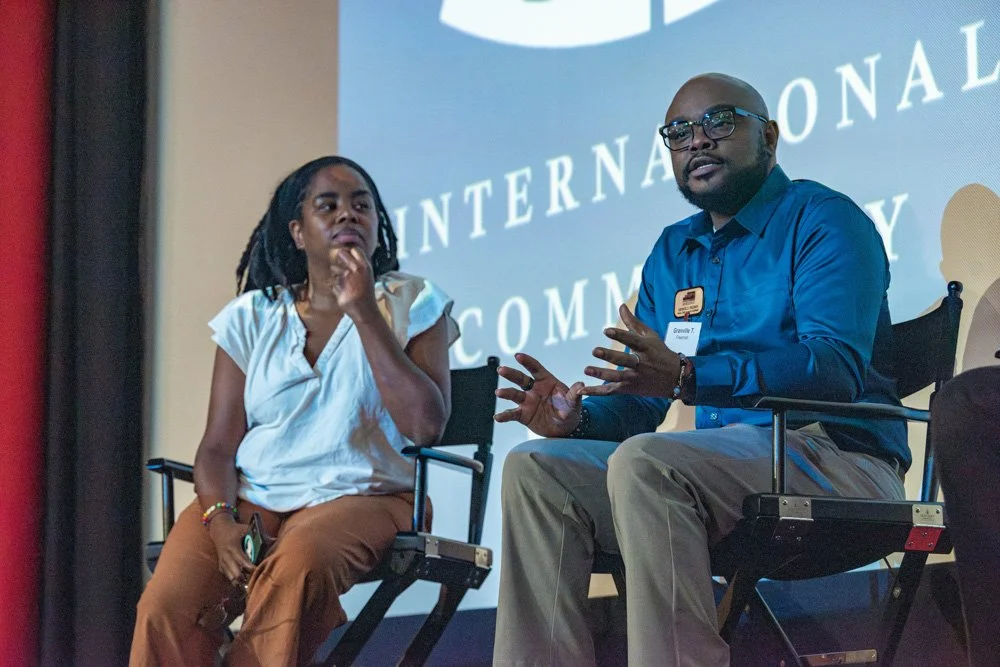
Key components of the model include
Integrated wraparound services — Mental health, nutrition, family support, language services, enrichment, mentoring, and more.
Cross-sector partnerships — Local nonprofits, health providers, social service agencies embedded on site or coordinated.
Parent & community engagement — Engaging families as co-creators in programming and decision-making.
Data-driven coordination — Shared metrics, referral tracking, continuous feedback across partners.
How can others use this model?
Schools or districts can pilot community school models using this collaboration as a playbook.
Nonprofits and service providers can partner to embed services in school settings.
Donors and foundations can underwrite core infrastructure costs (coordinator roles, data systems, wraparound services).
Policymakers and education leaders can explore incentives, funding mechanisms, or policy frameworks that support community schools.
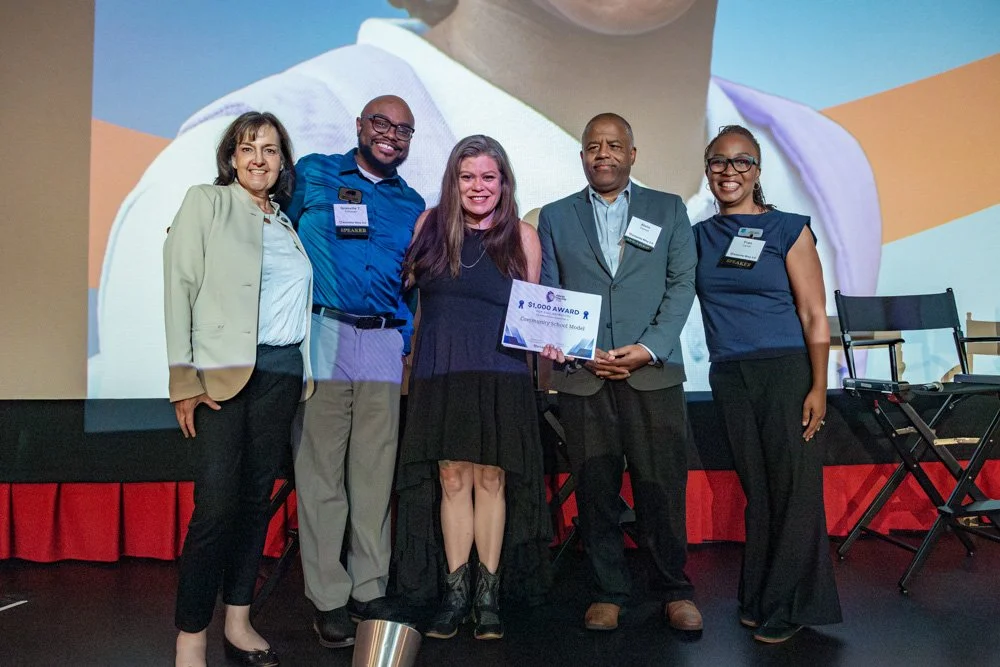
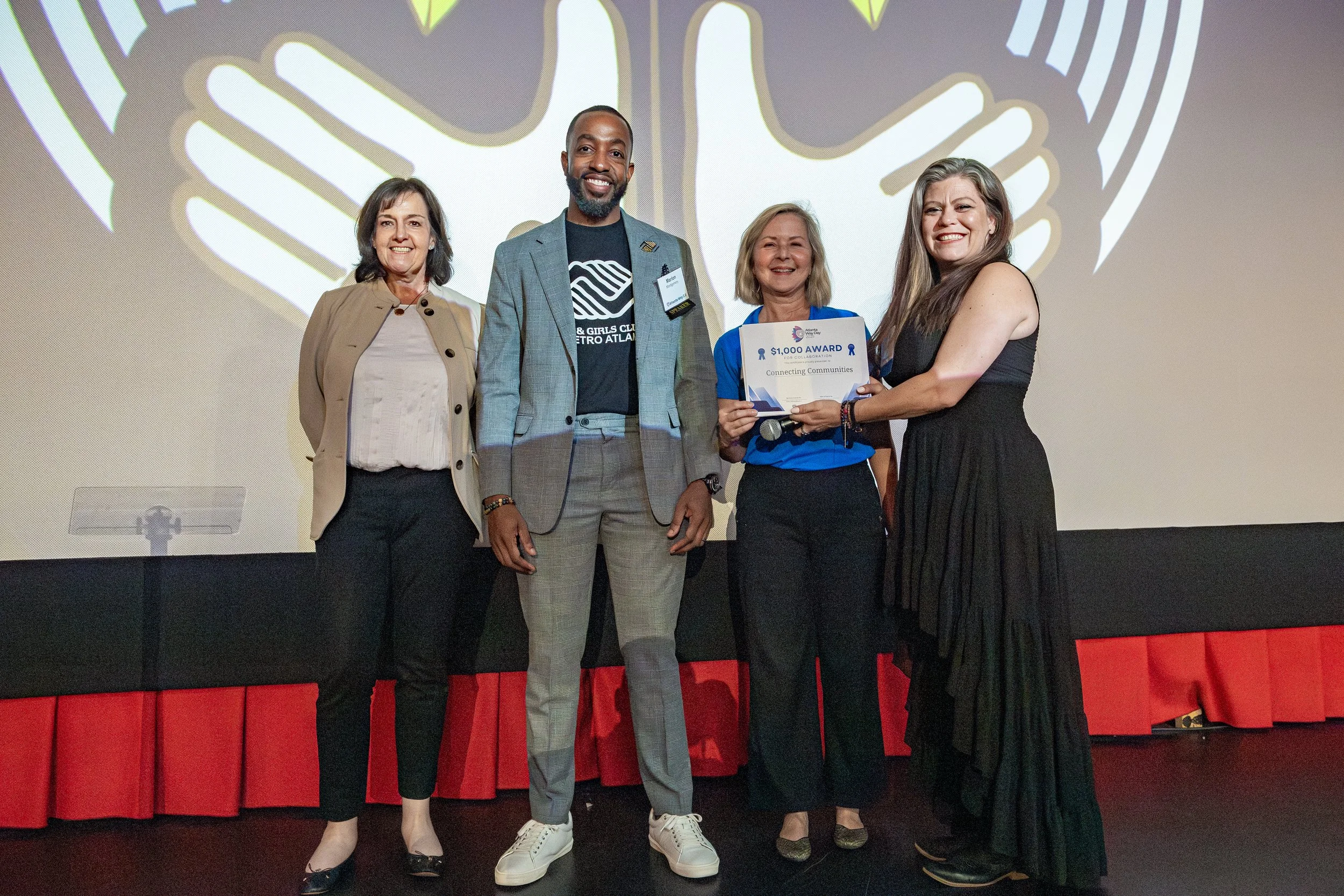
“We were deeply impressed by the community presenters at the first Atlanta Way Day on September 25, 2025. Their projects reflected incredible diversity—from education and mental health to civic engagement and social impact—but all shared a powerful core theme of collaboration to strengthen our community. Atlanta Way 2.0 is thrilled to both shine a light on their work and provide a $1,000 award to support their continued impact. We congratulate each of them on advancing Atlanta’s spirit of collective progress.””
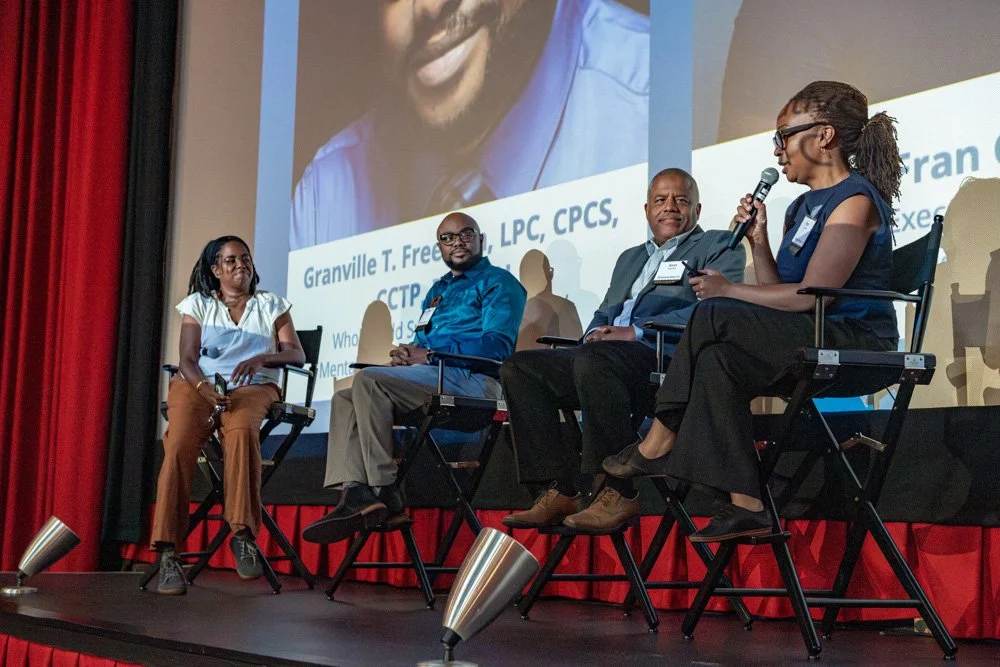
How can I help?
Volunteer as a tutor, mentor, or after-school enrichment provider at ICS
Offer or coordinate wraparound services (e.g. legal clinics, adult education, health fairs) on campus
Advocate with local school systems or funders to adopt community school models
Visit Atlanta Way 2.0 to learn more and discover how you can help shape Atlanta’s next chapter, one act of service at a time.
Atlanta Way Day Community Presenters: Kindred Lane & ATL DTN
At Atlanta Way Day, Kindred Lane and ATL DTN shared how they transformed vacant downtown spaces into native plant gardens by partnering with property owners, businesses, and residents. Their pilot sites showcased environmental benefits like reduced maintenance and stormwater control, along with social gains such as increased foot traffic, community pride, and local engagement. Through ongoing feedback and collaboration, they refined their design approach and laid the groundwork for citywide expansion.
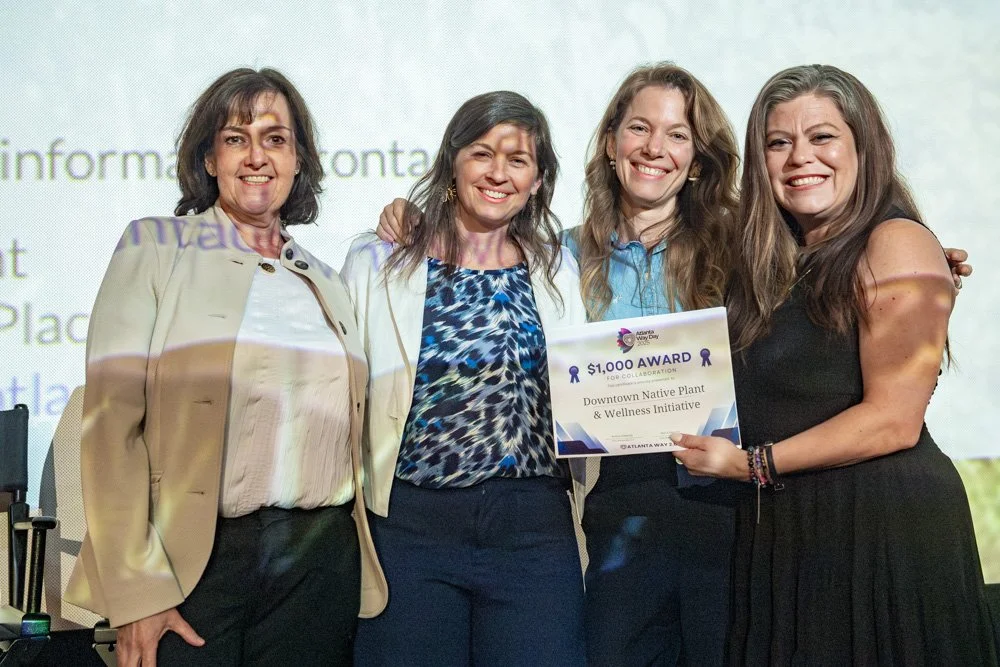
Downtown Native Plant & Wellness Initiative: Kindred Lane & ATL DTN
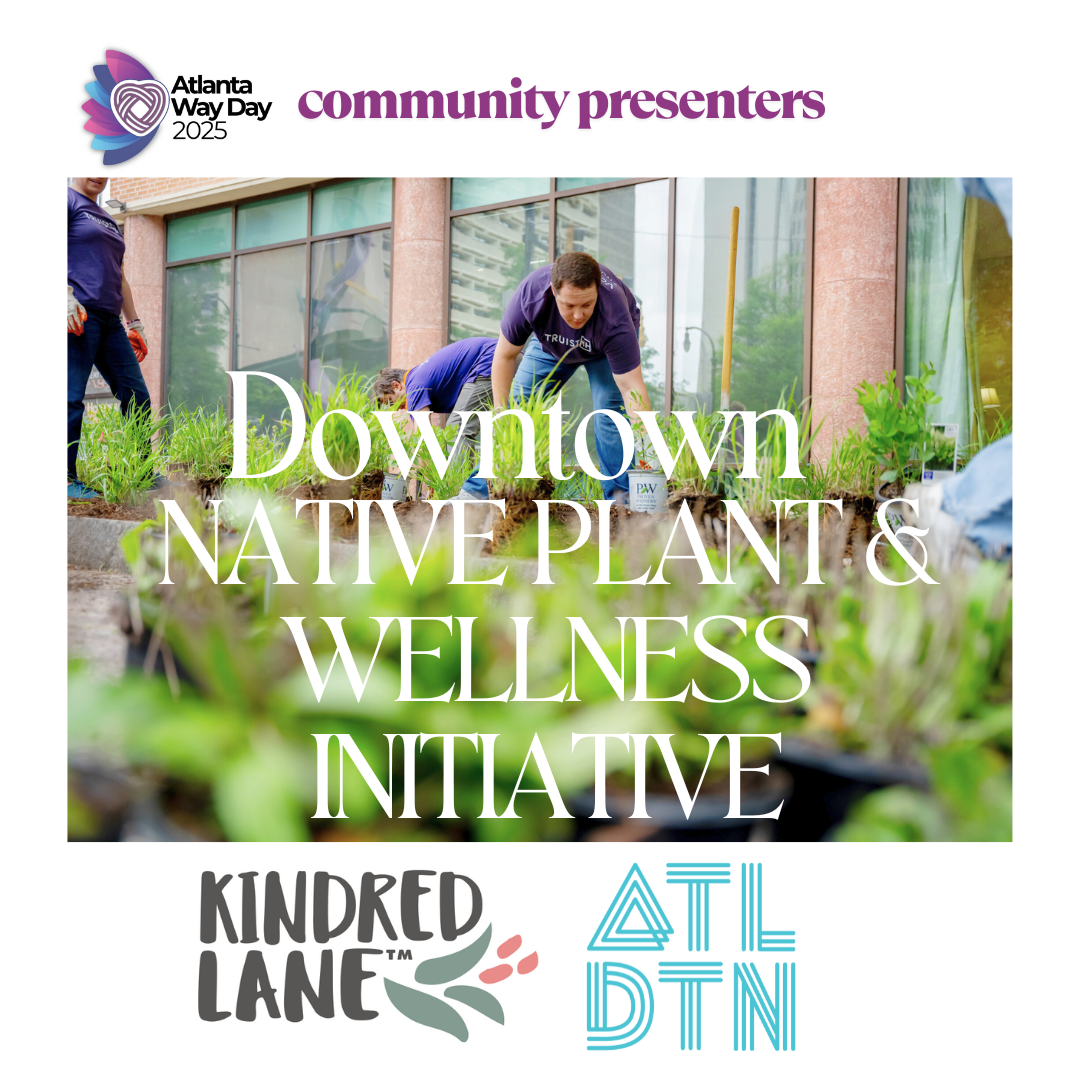
Downtown spaces deserve to breathe again. Too often, concrete replaces connection, planters sit empty, alleys go unused, and green spaces fade from view. Yet our city’s need for nature, calm, and community has never been greater. That’s where Kindred Lane and ATL DTN (Atlanta Downtown) come in! At Atlanta Way Day, presented by Atlanta Way 2.0, their collaboration is reimagining underused urban spaces as vibrant native-plant gardens. Their work brings color, shade, and biodiversity back to the heart of the Atlanta — creating places where we can pause, connect, and thrive together.
Kindred Lane brings design acumen, horticultural knowledge, and community vision in landscape and wellness spaces. ATL DTN, with its role as the downtown advocacy, events, and placemaking entity, offers connections to property owners, local stakeholders, and maintenance partnerships. Together, they can transform Atlanta’s vacant and neglected hidden gems into thriving native plant corridors.
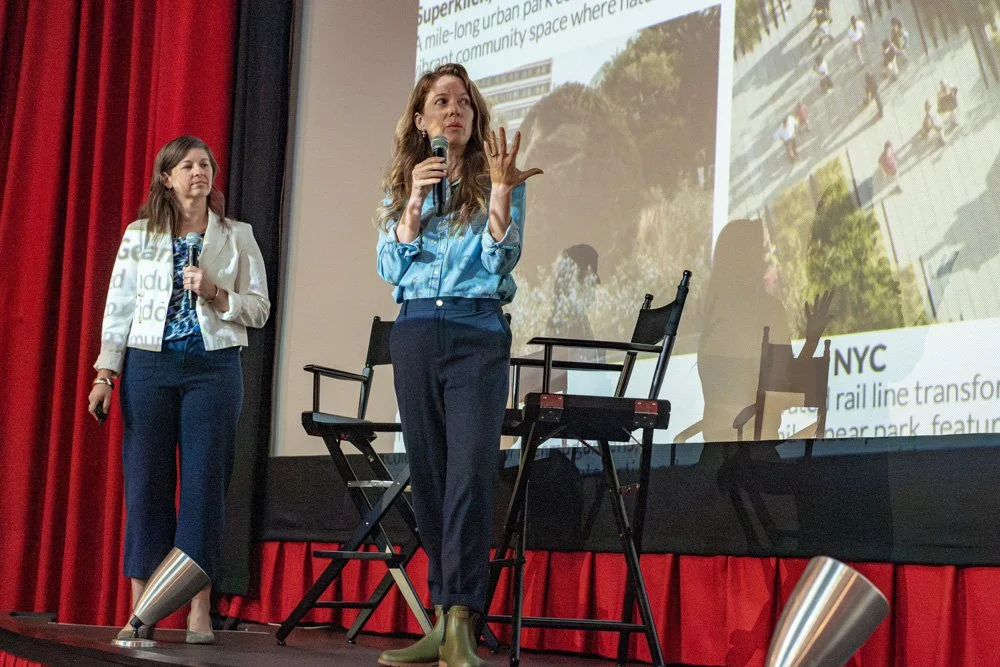
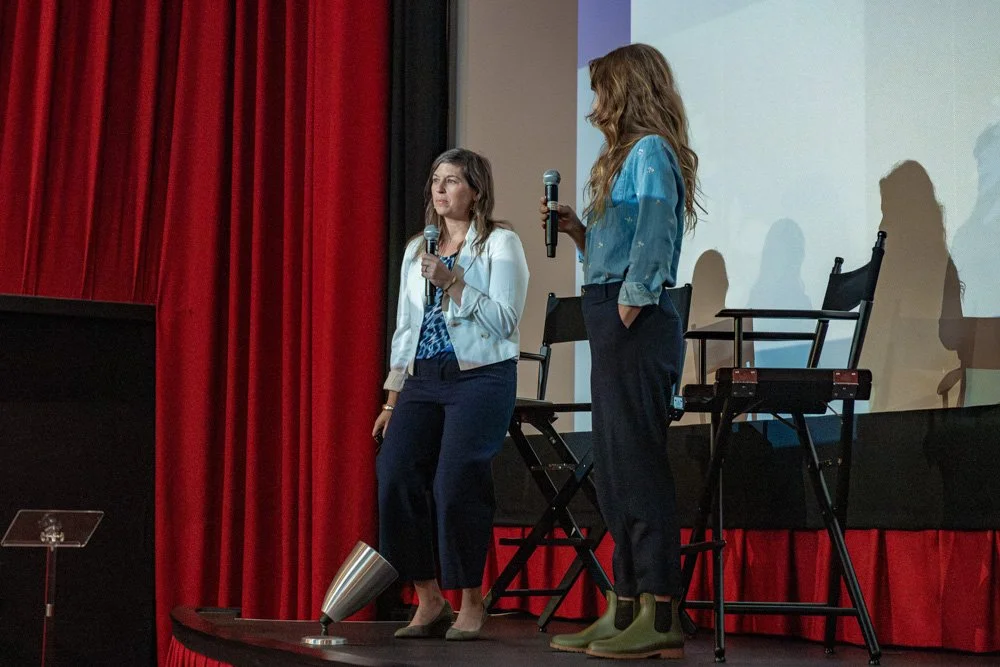
At Atlanta Way Day, Kindred Lane and ATL DTN shared how they transformed vacant downtown spaces into native plant gardens by partnering with property owners, businesses, and residents. Their pilot sites showcased environmental benefits like reduced maintenance and stormwater control, along with social gains such as increased foot traffic, community pride, and local engagement. Through ongoing feedback and collaboration, they refined their design approach and laid the groundwork for citywide expansion.
The initiative promises
Low-maintenance, climate-resilient plantings — Native species that thrive locally and reduce upkeep.
Wellness nodes — Small seating, shade, and micro-refuge spots where downtown workers, residents, and visitors can pause.
Green corridors of connectivity — Stitching together small garden pockets into walkable “green pathways.”
Community stewardship model — Engaging corporate, resident, and nonprofit volunteers to adopt, maintain, and program these sites.
“We were deeply impressed by the community presenters at the first Atlanta Way Day on September 25, 2025. Their projects reflected incredible diversity—from education and mental health to civic engagement and social impact—but all shared a powerful core theme of collaboration to strengthen our community. Atlanta Way 2.0 is thrilled to both shine a light on their work and provide a $1,000 award to support their continued impact. We congratulate each of them on advancing Atlanta’s spirit of collective progress.” ”
how to get involved
Sponsor a node (e.g. adopt a planter, garden pocket, or tree well).
Provide corporate volunteer teams for planting and maintenance.
Participate in downtown garden build days or plant-installation events
Advocate for downtown policy incentives that promote nature-based urban infrastructure
Visit Atlanta Way 2.0 to learn more and discover how you can help shape Atlanta’s next chapter, one act of service at a time.
Atlanta way day community presenters: I Will Survive, Inc. & West Cascade Medical Center
On Atlanta Way Day, I Will Survive, Inc. & West Cascade Medical Center showcased how their AI-powered mobile health unit bridged care gaps for families lacking access to preventive checks and mental health support. Visiting churches, shelters, and food pantries, the team delivered screenings, risk assessments, and wraparound referrals. While noting challenges like cost, privacy, and community trust, they shared how their model proves that high-tech and high-touch care can thrive together in underserved communities.
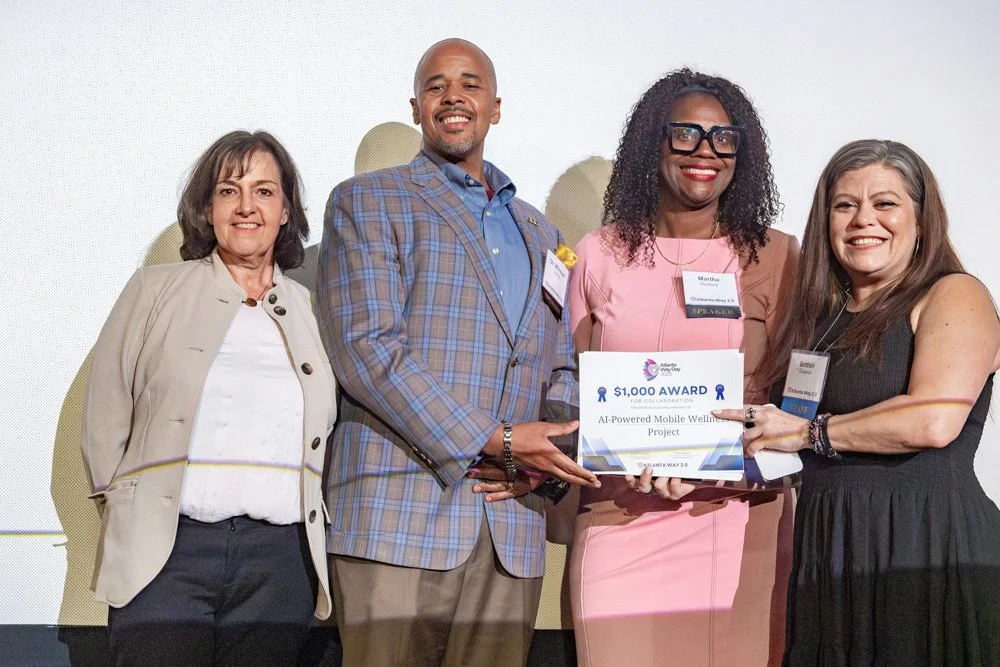
AI-Powered Mobile Wellness: I Will Survive, Inc. & West Cascade Medical Center
Cancer survivors, medically underserved populations, and families with limited access to care often face a double burden: physical health needs and emotional trauma, all exacerbated by barriers like transportation, digital divide, and fragmented services. The collaborative initiative between I Will Survive, Inc. and West Cascade Medical Center aims to bring prevention, screening, and wellness directly into communities, via a mobile health unit enhanced by AI-powered tools.
I Will Survive, Inc. is known for its mission to support women, families, and survivors — especially in navigating the long journey of healing, resilience, and health. West Cascade Medical Center contributes clinical capacity, medical oversight, and integration with existing health systems. Together, their AI-Powered Mobile Wellness Project is more than a mobile clinic — it’s a mobile bridge.
Key Features
AI-driven screening and triage — The unit will use smart tools to flag risks, assist early diagnosis, or direct follow-up care.
Multilingual support & culturally fluent staff — To ensure dignity and trust for people across languages and backgrounds.
Trauma-informed care built in — Not only checking physical health markers, but attending to emotional and mental health needs in the same visit.
“Digital health passports” — Enabling patients to carry health records, reminders, and follow-up plans across providers and visits.
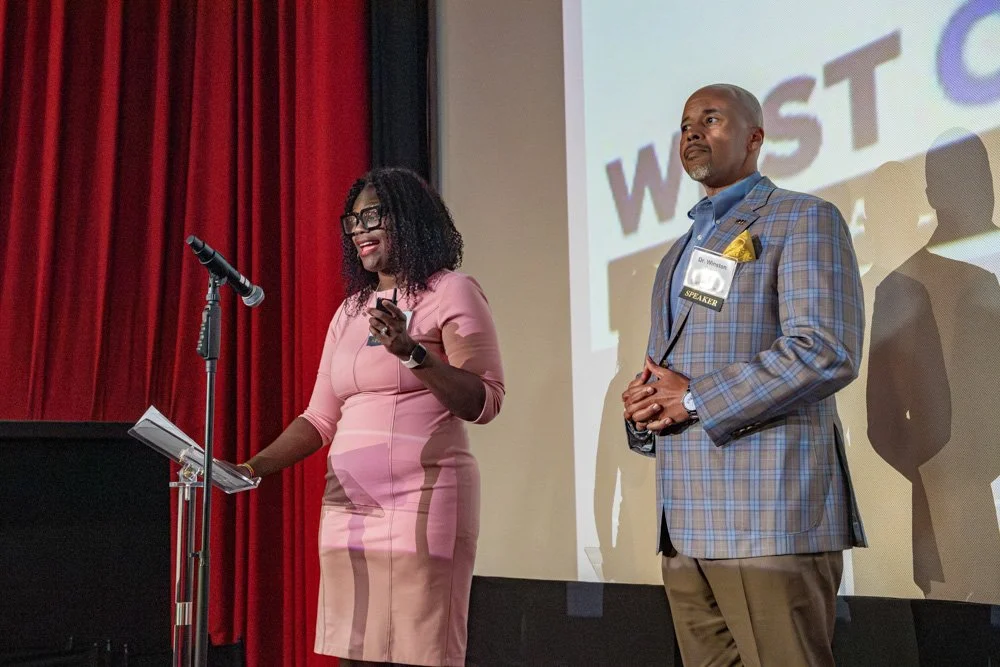
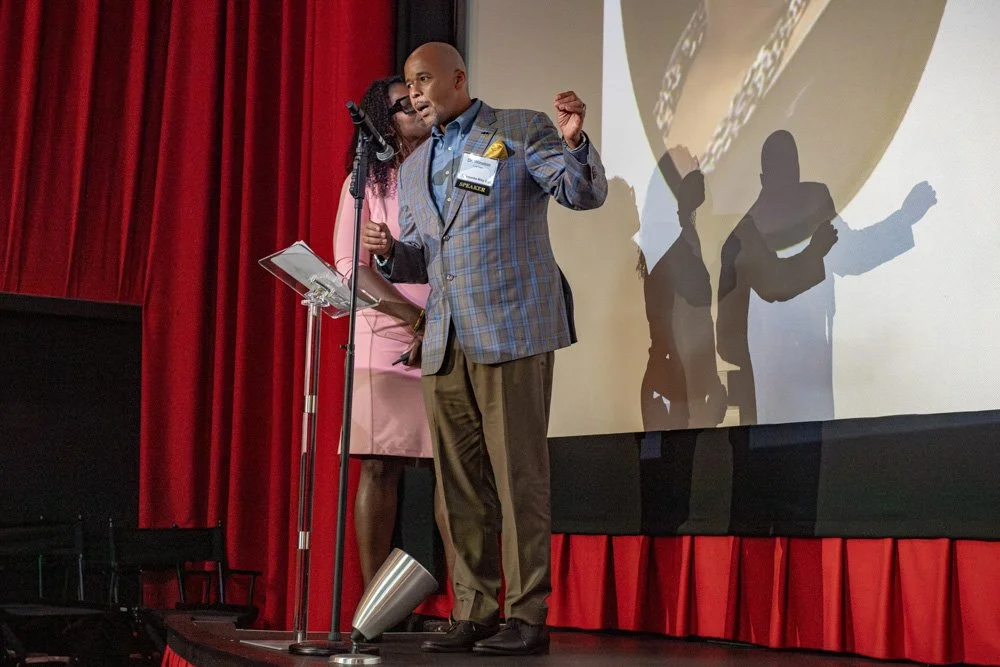
On Atlanta Way Day, presented by Atlanta Way 2.0, they showcased how their AI-powered mobile health unit bridged care gaps for families lacking access to preventive checks and mental health support. Visiting churches, shelters, and food pantries, the team delivered screenings, risk assessments, and wraparound referrals. While noting challenges like cost, privacy, and community trust, they shared how their model proves that high-tech and high-touch care can thrive together in underserved communities.
“We were deeply impressed by the community presenters at the first Atlanta Way Day on September 25, 2025. Their projects reflected incredible diversity—from education and mental health to civic engagement and social impact—but all shared a powerful core theme of collaboration to strengthen our community. Atlanta Way 2.0 is thrilled to both shine a light on their work and provide a $1,000 award to support their continued impact. We congratulate each of them on advancing Atlanta’s spirit of collective progress.””
How you can lend support
Volunteer health professionals (nurses, mental health clinicians, community health workers) to staff mobile wellness days
Advocate for grants or corporate partnerships to underwrite AI infrastructure or vehicle maintenance
Help promote upcoming mobile wellness events to communities in need
We invite you to join us in supporting this project’s growth: become an activator, help amplify their impact, or directly engage with mobile wellness events in your own neighborhood. Visit Atlanta Way 2.0 to learn more and discover how you can help shape Atlanta’s next chapter, one act of service at a time.
Atlanta Way Day Community Presenters: Hillside Inc. & The Boys and Girls Club of Metro Atlanta
In many of Atlanta’s underserved neighborhoods, residents face overlapping challenges — financial stress, unstable housing, trauma, and limited access to behavioral and mental health support. The Connecting Communities initiative, led jointly by Hillside Inc. and The Boys and Girls Club of Metro Atlanta, seeks to meet people where they are — in apartment communities, after-school clubs, and local gathering places.
Connecting Communities: Hillside Inc. & The Boys and Girls Club of Metro Atlanta

In many of Atlanta’s underserved neighborhoods, residents face overlapping challenges, financial stress, unstable housing, trauma, and limited access to behavioral and mental health support.
The Connecting Communities initiative, led jointly by Hillside Inc. and The Boys and Girls Club of Metro Atlanta, seeks to meet people where they are — in apartment communities, after-school clubs, and local gathering places.
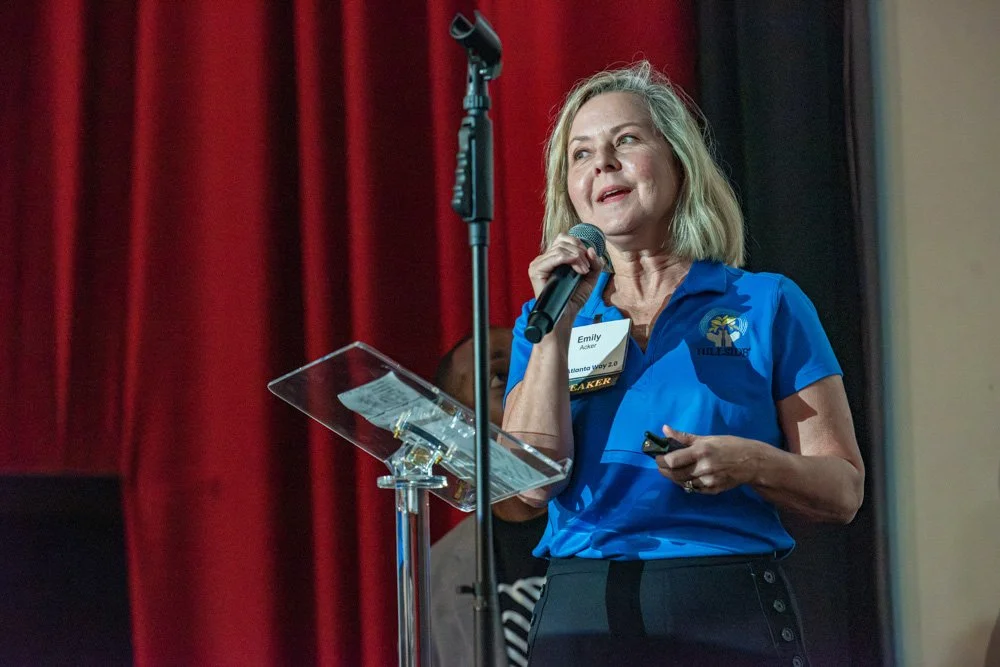
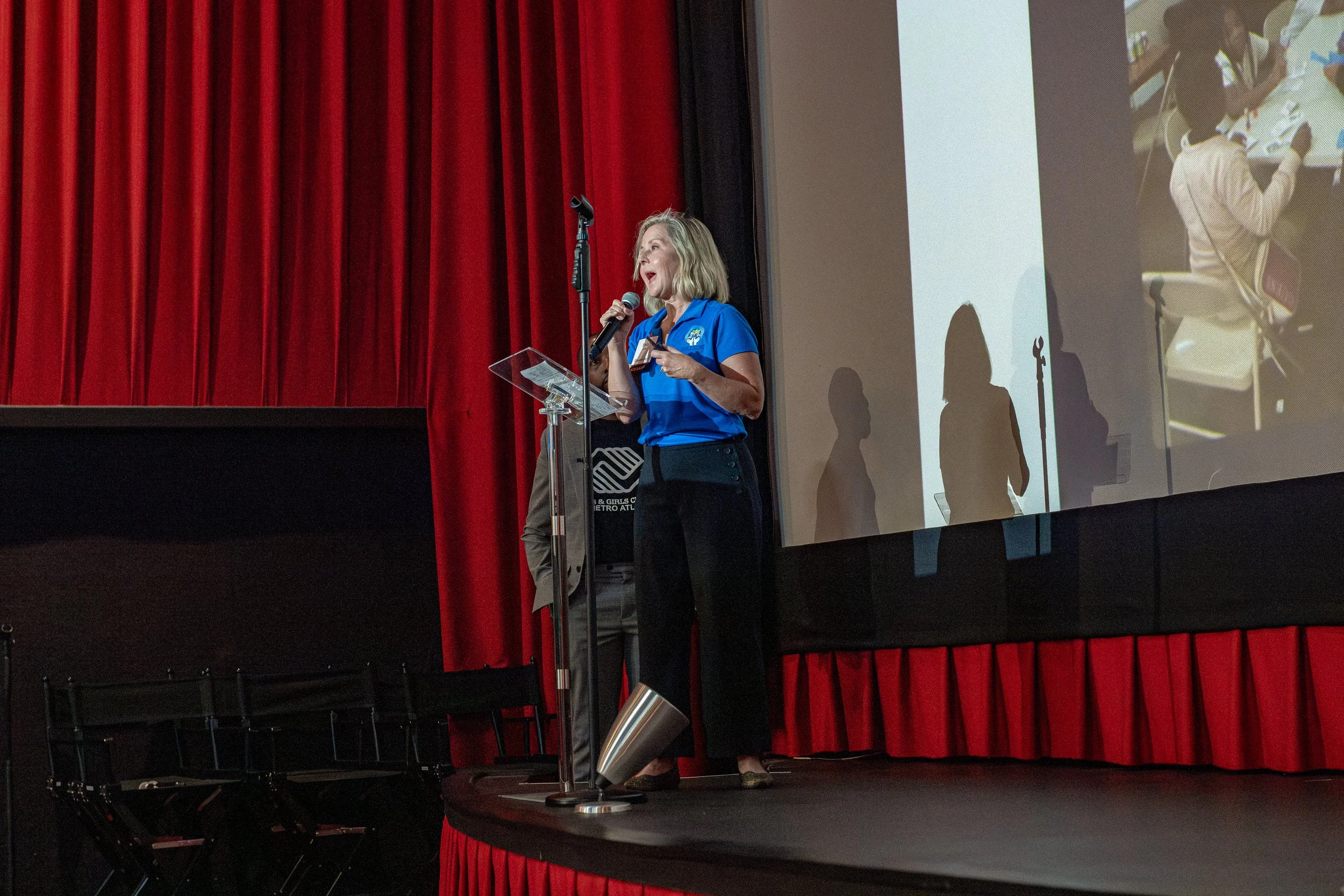
During Atlanta Way Day, Hillside Inc. and The Boys and Girls Club of Metro Atlanta collaborated to share their “Connecting Communities” initiative! This initiative is a compelling example of meeting families where they are and delivering essential behavioral health, legal, and support services directly into apartment complexes and after-school programs.
Hillside Inc. (a nonprofit focused on youth and family behavioral services) brings vast knowledge in trauma-informed care, counseling, and wraparound support. The Boys and Girls Club of Metro Atlanta add its presence in trusted youth spaces, its broad network of sites, and engagement with families. Together, this collaboration overcomes traditional barriers: transportation, stigma, and fragmented services.
How will it work?
Through Connecting Communities, teams embed behavioral health, eviction prevention, domestic violence resources, and case management directly into communities. For instance, residents may receive support in their own apartment complex, or youth at club sites may access mental health check-ins during after-school hours. The program’s flexibility allows participants to engage in ways that feel safe and convenient, not siloed or overwhelming.
What makes this collaboration powerful?
Proximity & accessibility — Bringing services into neighborhoods helps reduce no-show rates and reduce burdens.
Holistic support — Because Hillside already works in multiple spheres (mental health, family services), the program can address root causes, not just symptoms.
Youth & community synergy — The Boys and Girls Club’s trusted role with families helps build trust and lowers resistance to intervention.
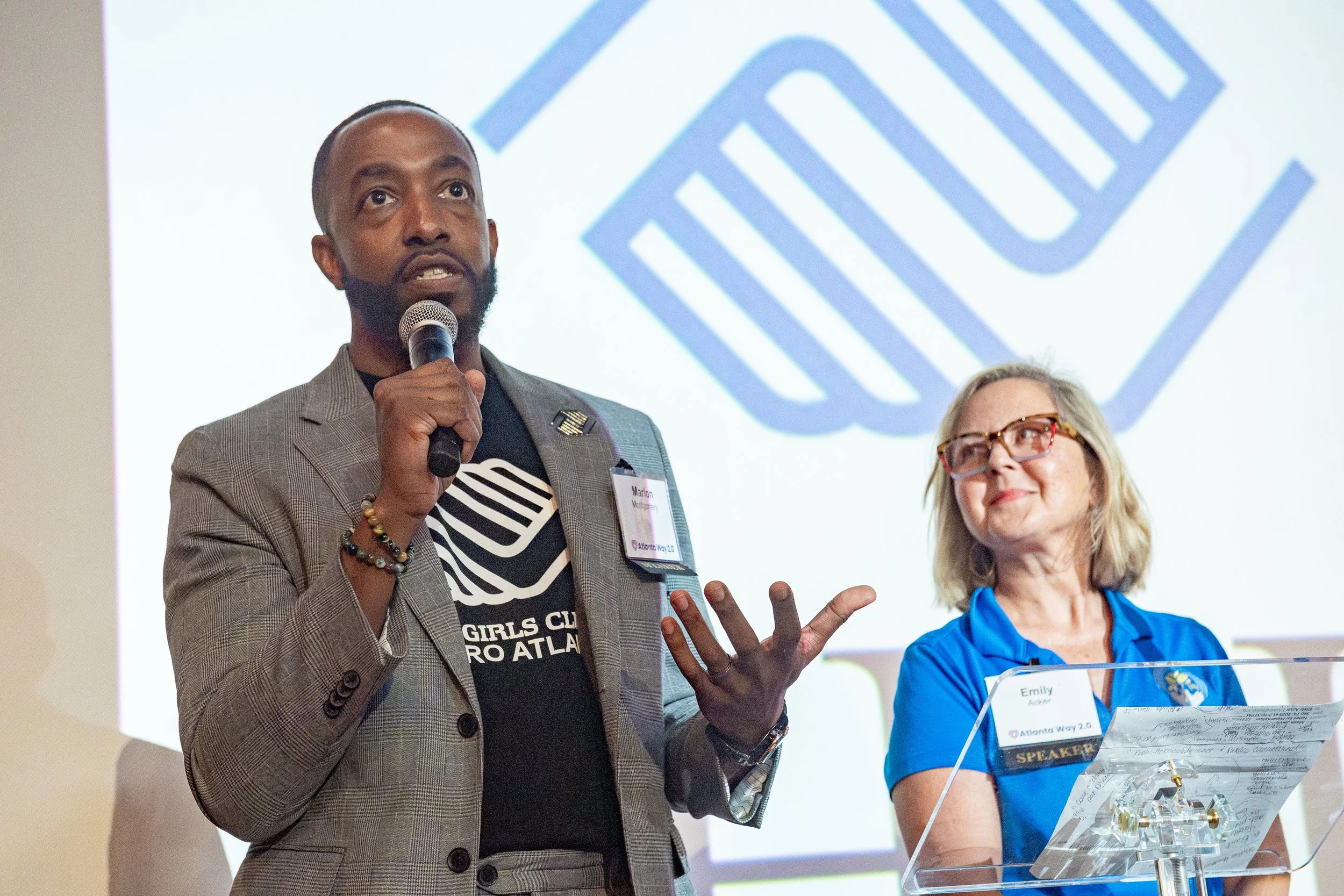
On Atlanta Way Day, presented by Atlanta Way 2.0, the Hillside & Boys & Girls Club team shared their story of how these services are not just delivered, but woven into daily life! Together they invite us to imagine new ways to reduce friction.
Your role in advancing this work
Volunteer with Hillside Inc. or the Boys & Girls Club to support outreach in neighborhoods served
Help connect funding, pro bono legal support, or mental-health providers who can embed in community settings
Share their story with your networks to build awareness and momentum
Join us in lifting up this project by becoming an activator, help spread the word, or contribute your time or resources to help the “Connecting Communities” model reach more families.
Visit Atlanta Way 2.0 to learn more and discover how you can help shape Atlanta’s next chapter, one act of service at a time.